Colors That Work for You
After shape comes color. And here many carry their own history of bans: at some point they were assigned a "color type" and handed a list — these colors yes, those no. And for years a woman avoids half the store.
A list of specific colors in hand — and shopping gets harder, not easier: those exact shades usually aren't in the stores. A hunt for the list instead of a choice. A rigid rule from someone else, and life is complicated again.
That's why I don't support rigid color bans. I prefer the modern approach: look not at a list of what's allowed, but at a color's characteristics.
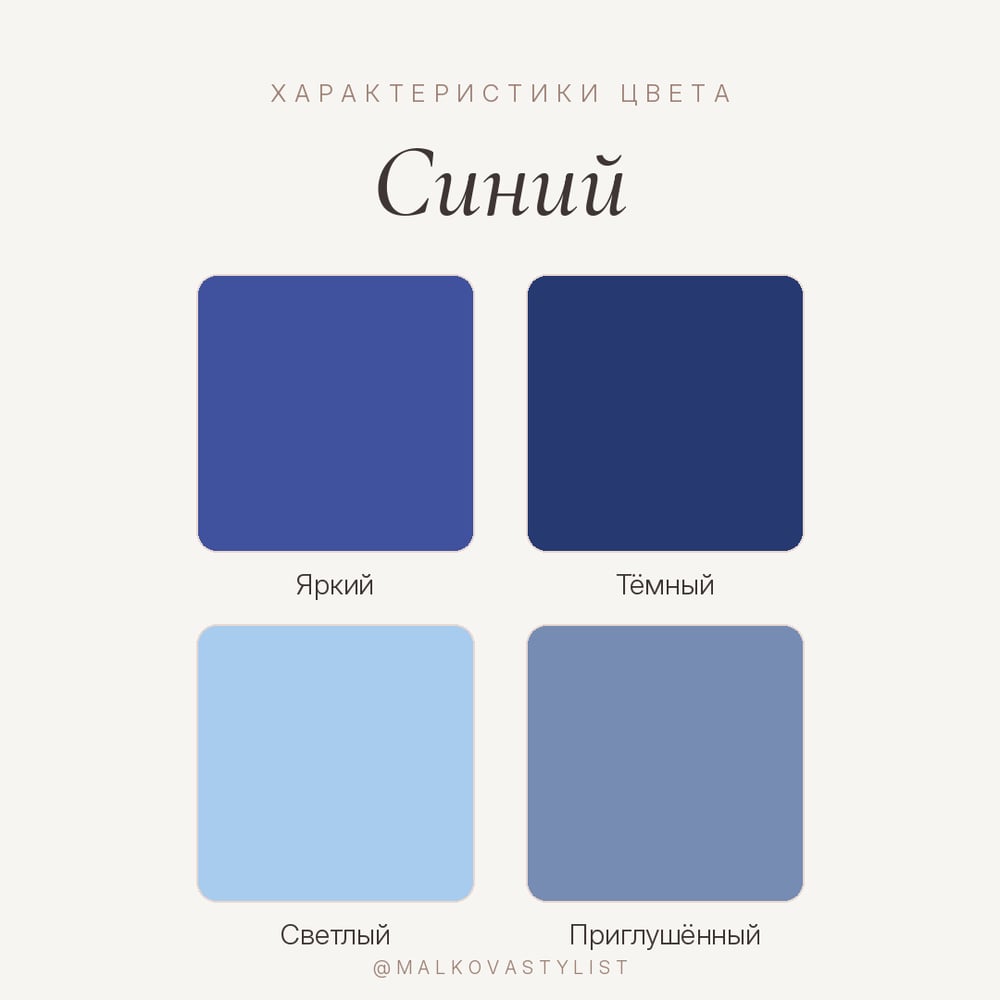
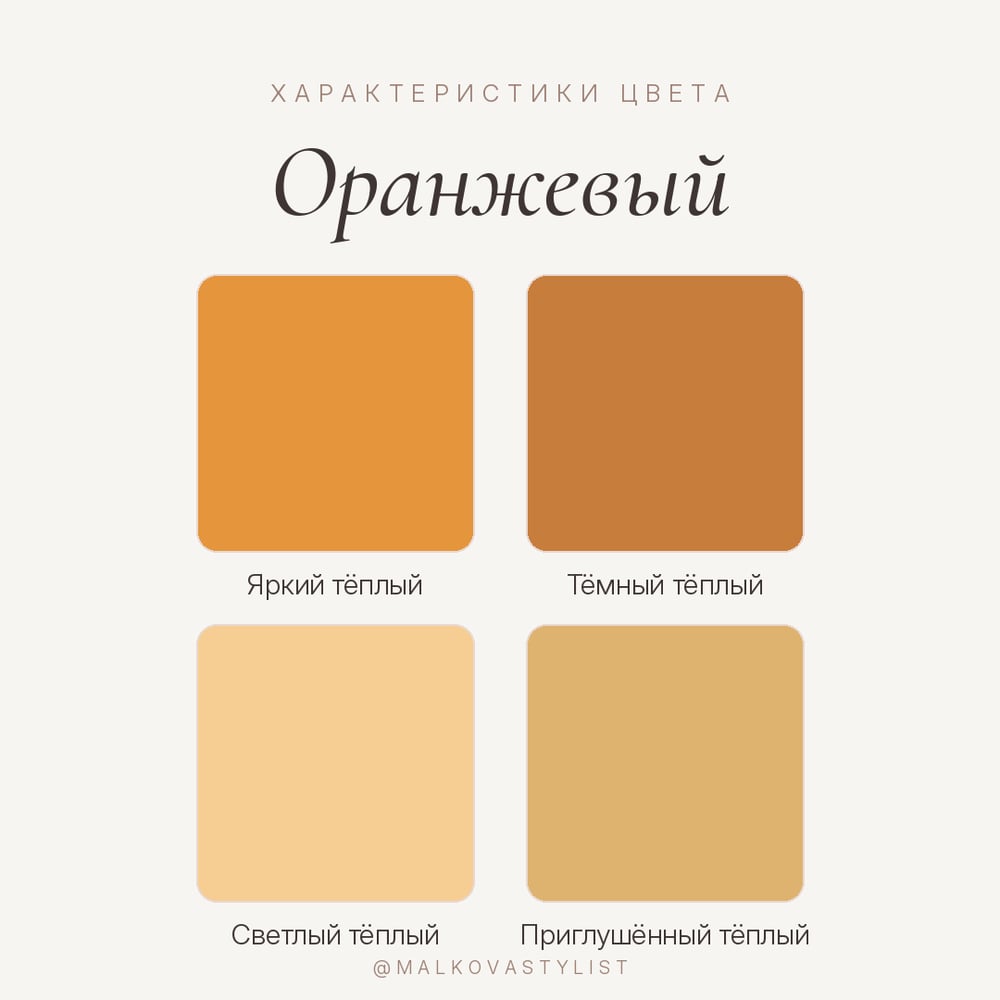
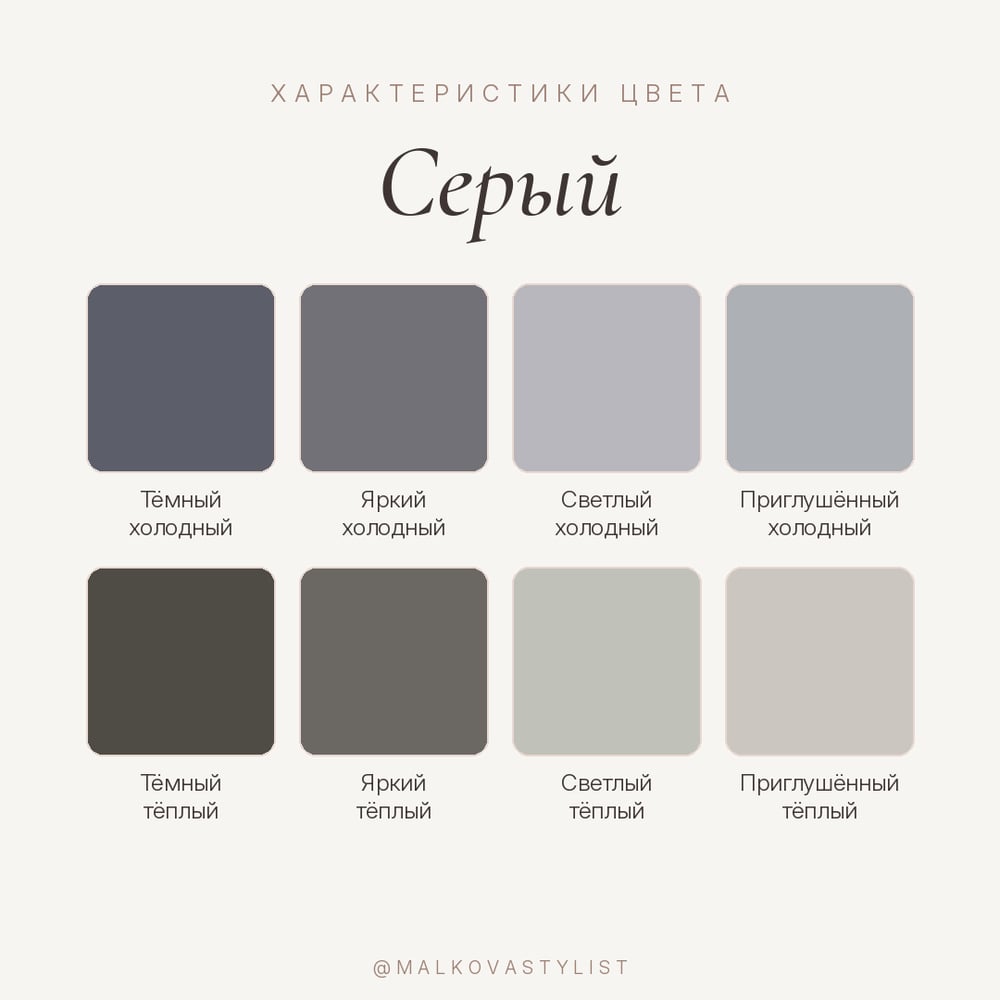
Every color has three. Hue: warm or cool. Lightness: from light to dark. Chroma: bright or muted.
This isn't a stylists' invention. These exact three characteristics come from the Munsell system — the artist and scientist Albert Munsell created it more than a hundred years ago, and artists, designers, and industry still use it. I just put them in plain words.
Take blue: it can be bright, dark, light, or muted — and those are four different blues. So the right question isn't "can I wear blue," but "which blue is mine."
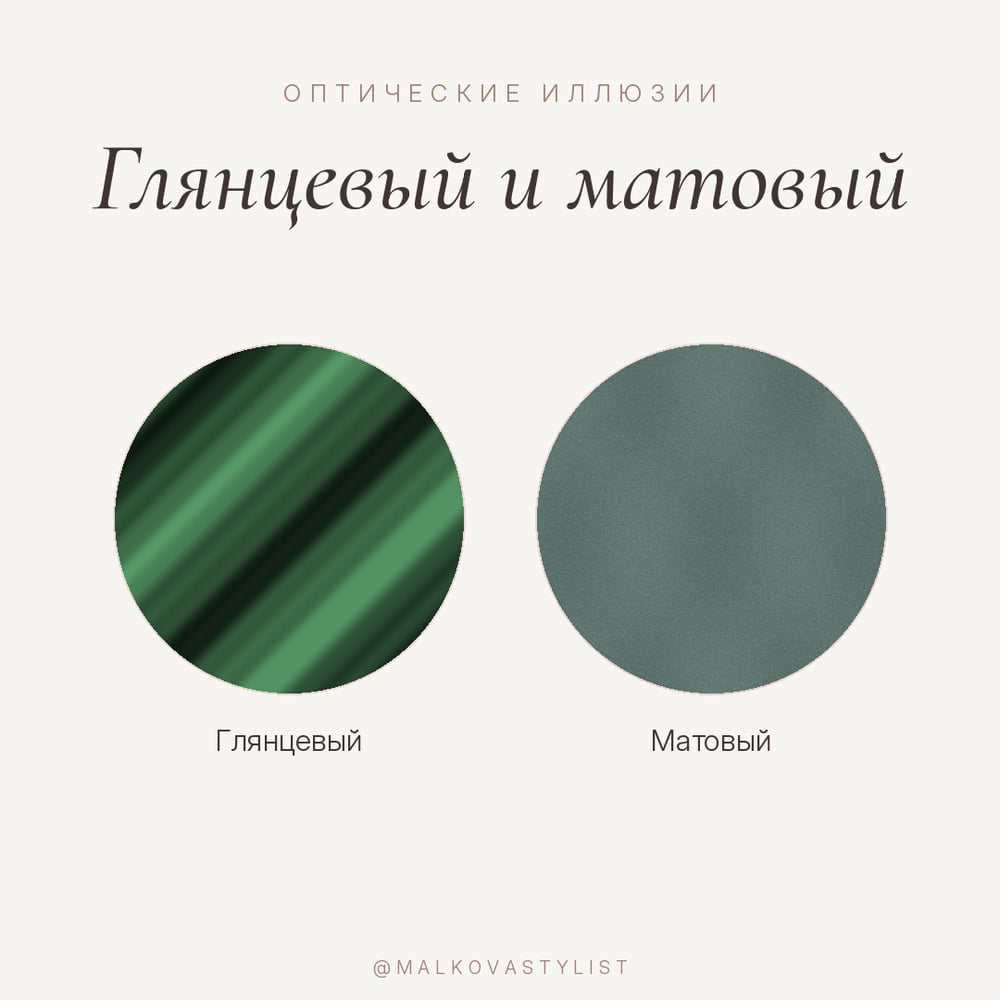
Fabric texture affects how we perceive color too. Gloss intensifies a color and adds light; a matte fabric mutes it. The same green in satin and in linen looks like two different greens.
And now the most freeing part. Color truly works only next to the face — and that's not just stylists' opinion, it's the physiology of vision. Neighboring colors change how we perceive each other; scientists call it simultaneous contrast. A recent study in the journal Coloration Technology tested the effect on clothing: the same person was shown in twenty-two sweatshirts of different shades — and the color of the clothing changed how people saw the skin tone of the face. One shade near the face lifts it: skin looks more even, eyes brighter, the look more rested. Another dims it: greyness and tiredness appear, even if you slept well.
That's why the portrait zone matters — what's near the face: the top, the collar, a scarf, jewelry. And everything farther from the face — skirt, trousers, shoes, bag — can be any color. Any: it no longer affects how the face is perceived.
Which color characteristics work for you depends on your appearance. Skin has an undertone — warm or cool. Your appearance overall has a contrast level — low, medium, or high. The principle is simple: a color's characteristics are matched to your appearance's characteristics.
And a tip from practice: the right makeup makes the face's tone more neutral. With makeup, more shades suit you than without it.
One honest word about color types. The "Winter — Spring — Summer — Autumn" system appeared in the eighties and became very popular. But when scientists tested it on real people, it turned out: people don't split into four clear "seasons." It's not the label that works. What works is a color's characteristics next to your face.
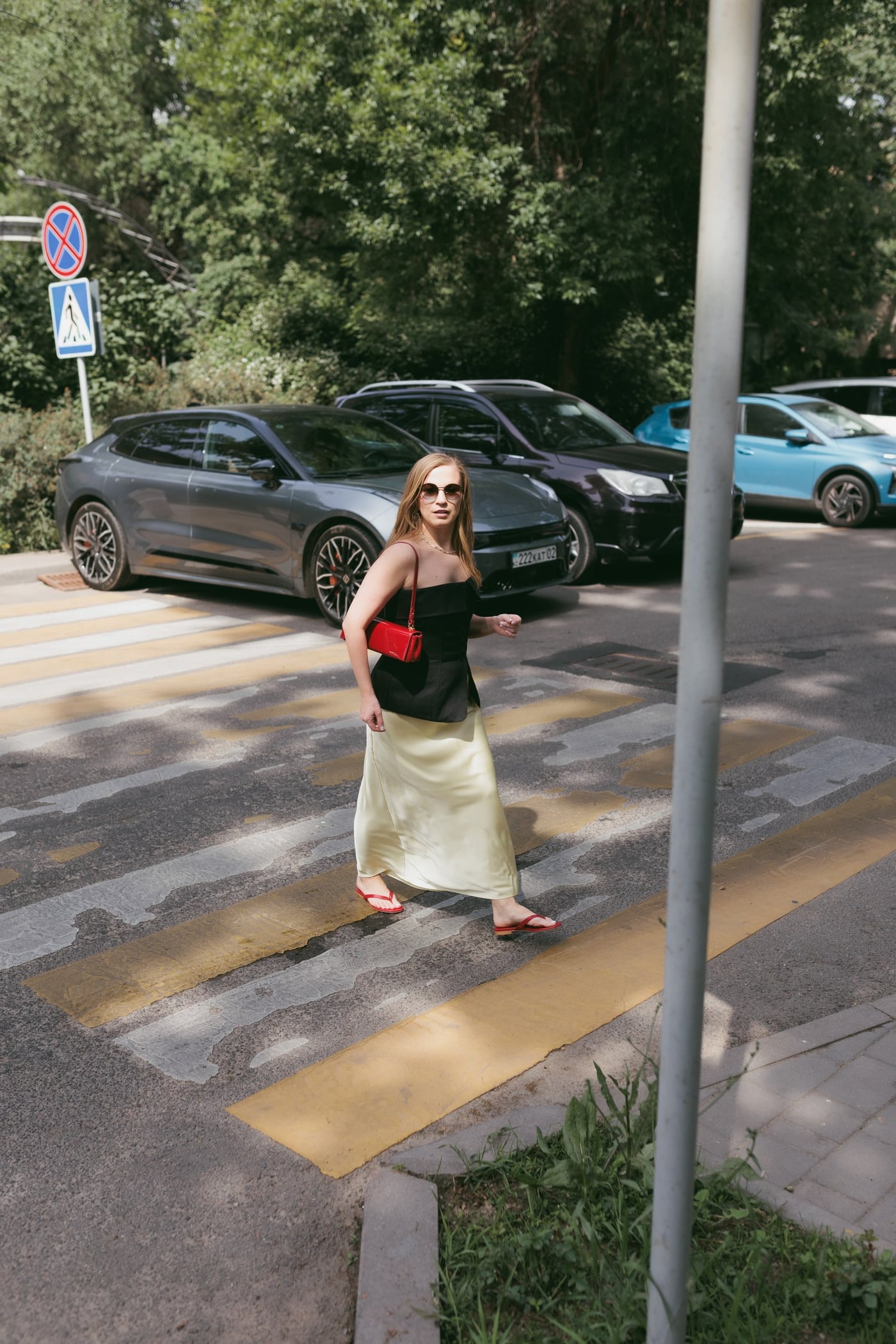
And the main freedom: if you love a color but it dims you near the face, you don't have to cut it out of your life. Wear it farther from the face: skirt, trousers, bag, shoes. You don't need to limit yourself in colors — you need to use them right.
That's the whole foundation: your base, your shape, your colors. Next comes the most interesting part: how it all adds up into a system where getting dressed takes minutes.
This article is a chapter from my book «Стиль и жизнь. Взгляд домохозяйки» (Style and Life: A Homemaker's View). It holds the whole system: why a full closet doesn't work, the base, body type, colors, capsules and accents — with my story and science you can lean on. Download and read the book at omale.style.